Follow Me On Social Media!

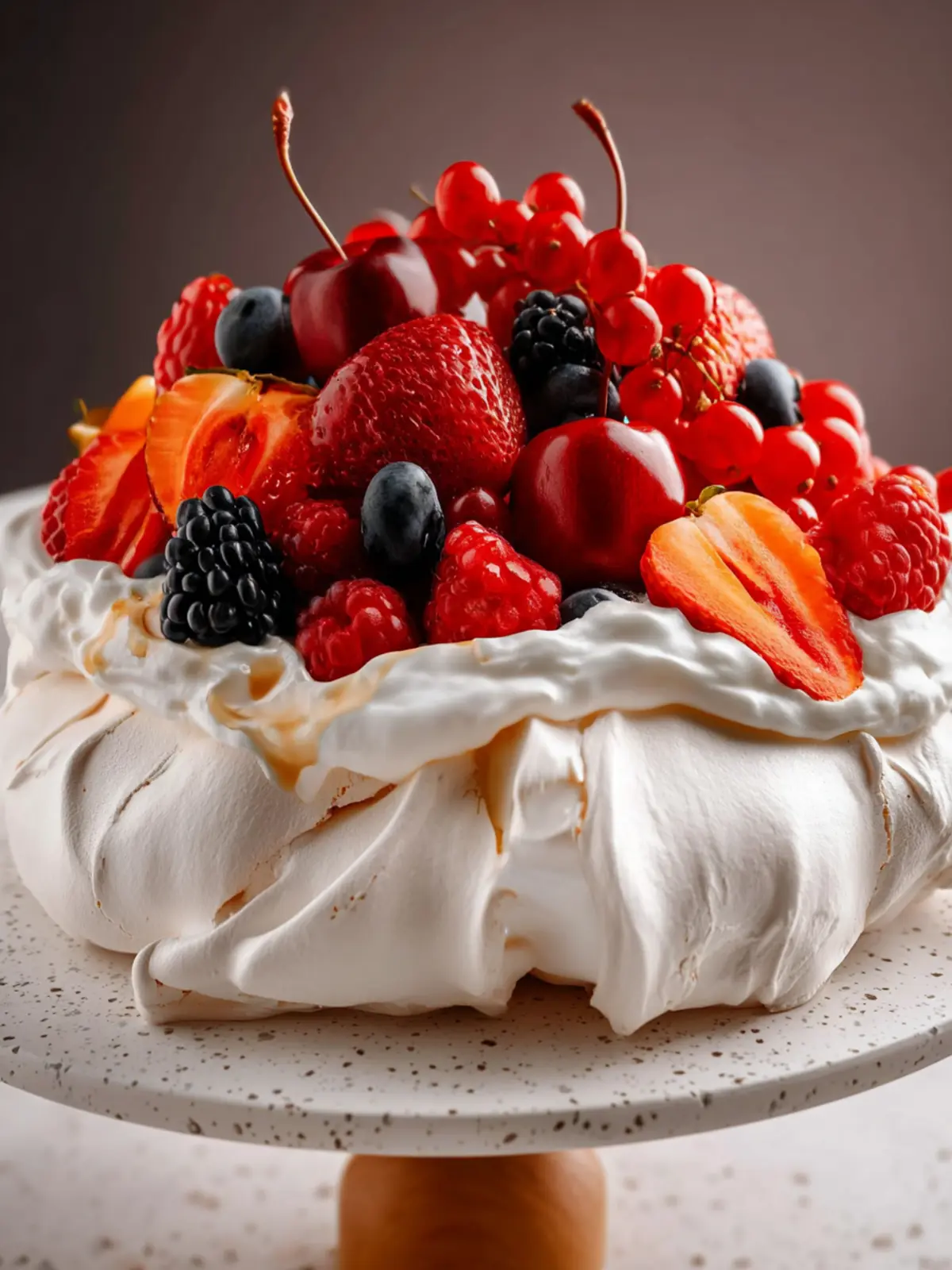
Pavlova Perfection: Irresistibly Light and Fruity Delight

Introduction to Pavlova
Imagine a dessert so light and airy that it feels like a sweet cloud dissolving on your tongue—that’s the magic of pavlova. Named after the Russian ballerina Anna Pavlova, this delightful dessert balances a crispy exterior with a soft and marshmallow-like interior. There’s something uniquely enchanting about being able to whip up a dish that combines elegance and simplicity, making pavlova a favorite for celebrations and casual get-togethers alike.
What makes pavlova a delightful dessert? It’s the perfect canvas for creativity. The base is made from just a handful of simple ingredients: egg whites, sugar, and cornstarch, yet it transforms into a flavor-packed masterpiece. Topped with luscious whipped cream and fresh fruits, the possibilities are endless. You can choose tropical mangoes, vibrant strawberries, or even a mix of seasonal berries to crown your pavlova, inviting your guests to marvel at both its beauty and taste.
Not only is it delightful to eat, but pavlova is also an exceptional conversation starter—who wouldn’t want to learn about its fascinating history? From its origins in Australia and New Zealand to the modern-day interpretations we see across the globe, you can indulge in this dessert while sharing stories of cultural significance. The contrast of the crisp shell with the creamy filling and the juicy toppings creates a celebration of textures and flavors that excites the palate and the imagination.
As we dive deeper into this recipe, you’ll find that making pavlova isn’t just about baking; it’s about celebrating life’s little moments. Whether it’s a casual gathering with friends or a more formal occasion, serving this dessert shows your thoughtfulness and flair in the kitchen. So roll up your sleeves, and let’s create a pavlova that will make an impression, one blissful bite at a time!
Key Ingredients for Pavlova
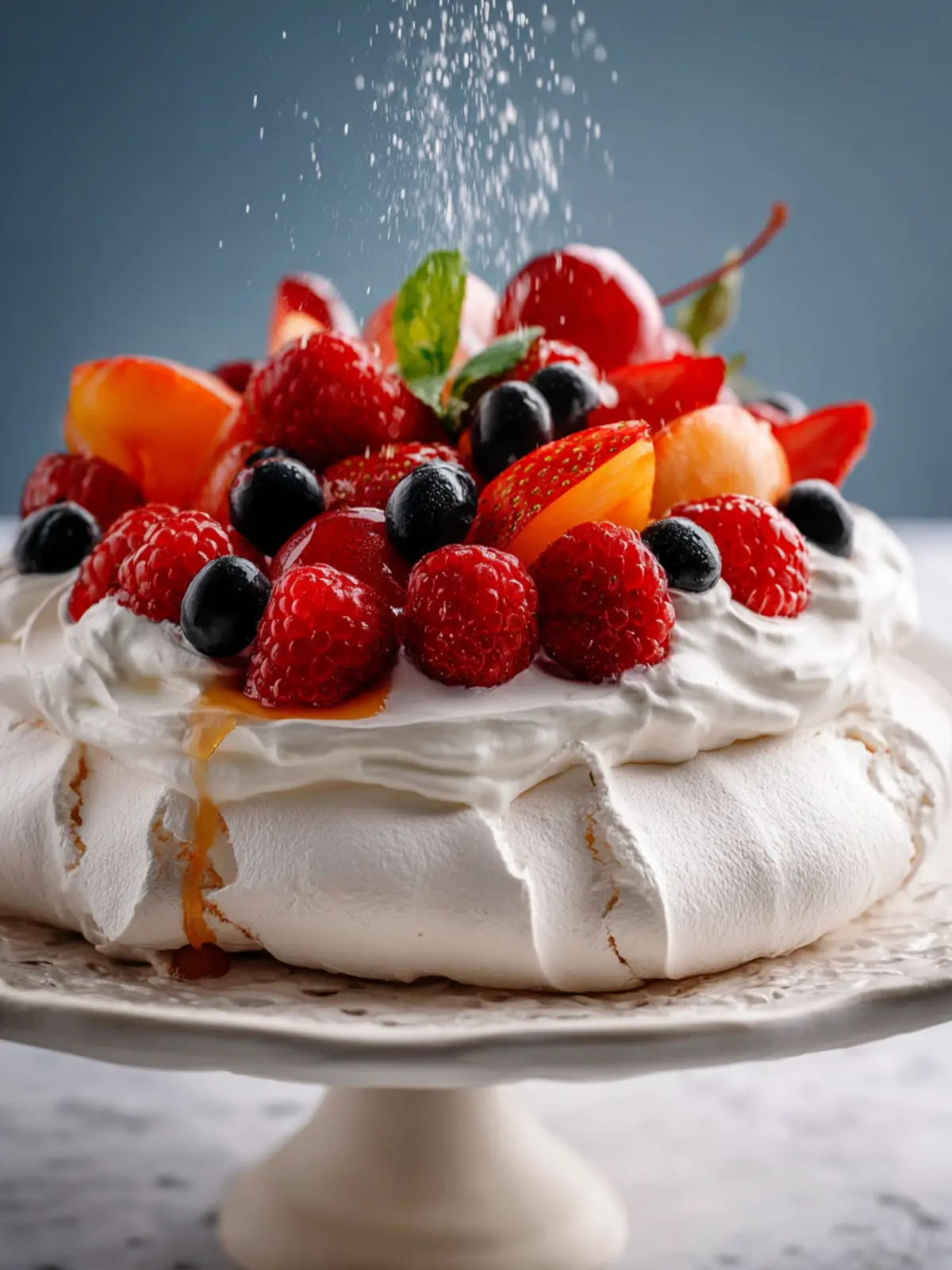
Creating a beautiful pavlova is all about choosing the right ingredients that come together to form a light, airy masterpiece. Here’s a breakdown of the key components that make this dessert a showstopper.
-
Egg Whites: The stars of the show are definitely the egg whites. To achieve that iconic crispy exterior and marshmallow-like center, it’s crucial to whip them to soft peaks before gradually adding sugar. The more air you incorporate, the fluffier your pavlova will be. Room temperature eggs work best, so let them sit out for a bit before you start.
-
Sugar: A combination of granulated sugar and cornstarch helps stabilize the egg whites and contributes to that delightful crunch. The sugar needs to dissolve fully while whipping the egg whites to achieve the perfect texture.
-
Vinegar and Cornstarch: Adding a bit of vinegar helps prevent the egg whites from overwhipping and cracking. Cornstarch absorbs moisture and adds a silky texture to the interior of your pavlova.
-
Cream: A generous amount of whipped cream completes the pavlova, adding richness and balancing the sweetness. Opt for heavy cream; it holds its shape well and can be sweetened to your preference.
-
Fresh Fruits: Topping your pavlova with fresh fruits like strawberries, kiwi, or passionfruit not only adds a beautiful pop of color but also a refreshing contrast to the sweetness of the meringue and cream.
With these simple yet essential ingredients, you’re on your way to creating a stunning pavlova that will wow your guests and satisfy your sweet tooth!
Why You’ll Love This Pavlova
The moment you take a bite of this pavlova, you’ll understand why it’s a beloved dessert around the globe. Imagine a light, airy meringue shell that provides a delicate base for vibrant fruits and luscious cream. It’s not just the beautiful presentation that captivates; it’s the symphony of textures and flavors that truly makes this dessert unforgettable.
A Whimsical Take on Dessert
Creating a pavlova can feel almost magical. The simple act of whipping egg whites into a glossy meringue can make any home cook feel like a pastry chef. Once baked, the crisp exterior meets a soft, marshmallow-like interior, giving your taste buds an experience like no other.
A Canvas for Creativity
One of the reasons you’ll treasure this pavlova is its versatility. Whether you choose to top it with seasonal berries, exotic fruits, or even a sprinkle of chocolate shavings, it invites creativity. Each bite feels like a personal masterpiece, tailored to your taste.
Perfect for Any Occasion
Whether it’s a casual weekday dinner or a festive gathering, this pavlova suits all occasions. Its elegance and delightful flavors will impress family and friends, leaving them wanting more. Plus, it’s gluten-free, making it a wonderful choice for accommodating various dietary needs.
Indulging in this delicious pavlova is not just enjoying dessert; it’s creating a moment worth savoring.
Tips for Making Perfect Pavlova
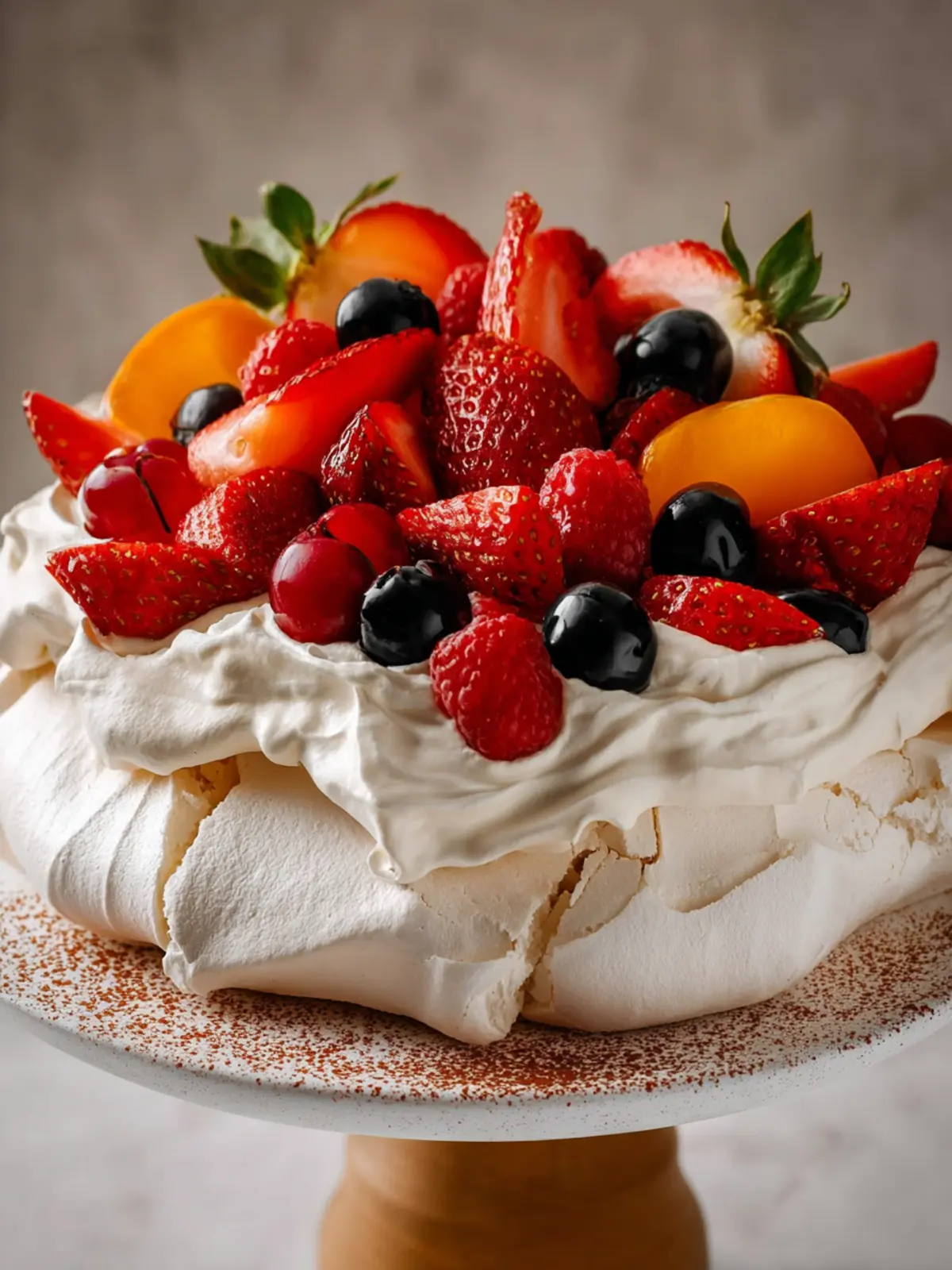
Crafting a pavlova is truly an art, and with a little guidance, you can achieve that perfect balance of a crisp exterior and a marshmallow-like interior. Here are some insider tips to elevate your dessert game:
Choose the Right Egg Whites
Start with fresh, room-temperature egg whites. They whip up better and create more volume. Avoid any yolk in your whites; even a tiny bit can hinder the meringue’s stability.
Whip Wisely
When whipping your egg whites, add a pinch of salt and a dash of vinegar or cream of tartar. This helps stabilize the meringue, allowing it to hold its shape while baking.
Slow and Steady Baking
Bake your pavlova at a low temperature (usually around 250°F) to promote a crispy outer layer while ensuring the inside stays soft and chewy. Don’t rush this; low and slow is key.
Cool Completely
Let your pavlova cool in the oven with the door slightly ajar. This gradual cooling minimizes cracking.
Toppings Matter
When it comes to toppings, fresh fruit is a must for that bright contrast. Think berries, kiwi, or passionfruit for an irresistible burst of flavor. Don’t forget to add whipped cream right before serving to maintain its texture.
By following these tips, your pavlova will surely impress family and friends alike, making any gathering a special occasion!
Time Details for Pavlova
Creating a stunning pavlova is an experience that goes beyond just the end result; it’s about the joy of crafting something beautiful. Here’s a breakdown of the time commitment involved, so you can plan accordingly and savor every moment of this delightful baking adventure.
Preparation Time
Getting everything ready for your pavlova is a breeze. You’ll spend about 15 minutes gathering your ingredients and whipping up that airy meringue base. Take your time and enjoy the process!
Baking Time
Once your meringue is prepared, it’s all about patience. Bake it low and slow for approximately 1 hour. This allows for that signature crispy outer shell while keeping the inside soft and marshmallowy.
Total Time
From start to finish, preparing your pavlova will take around 1 hour and 15 minutes. With minimal prep and a bit of baking, you’ll soon be rewarded with a stunning dessert!
Nutritional Information for Pavlova
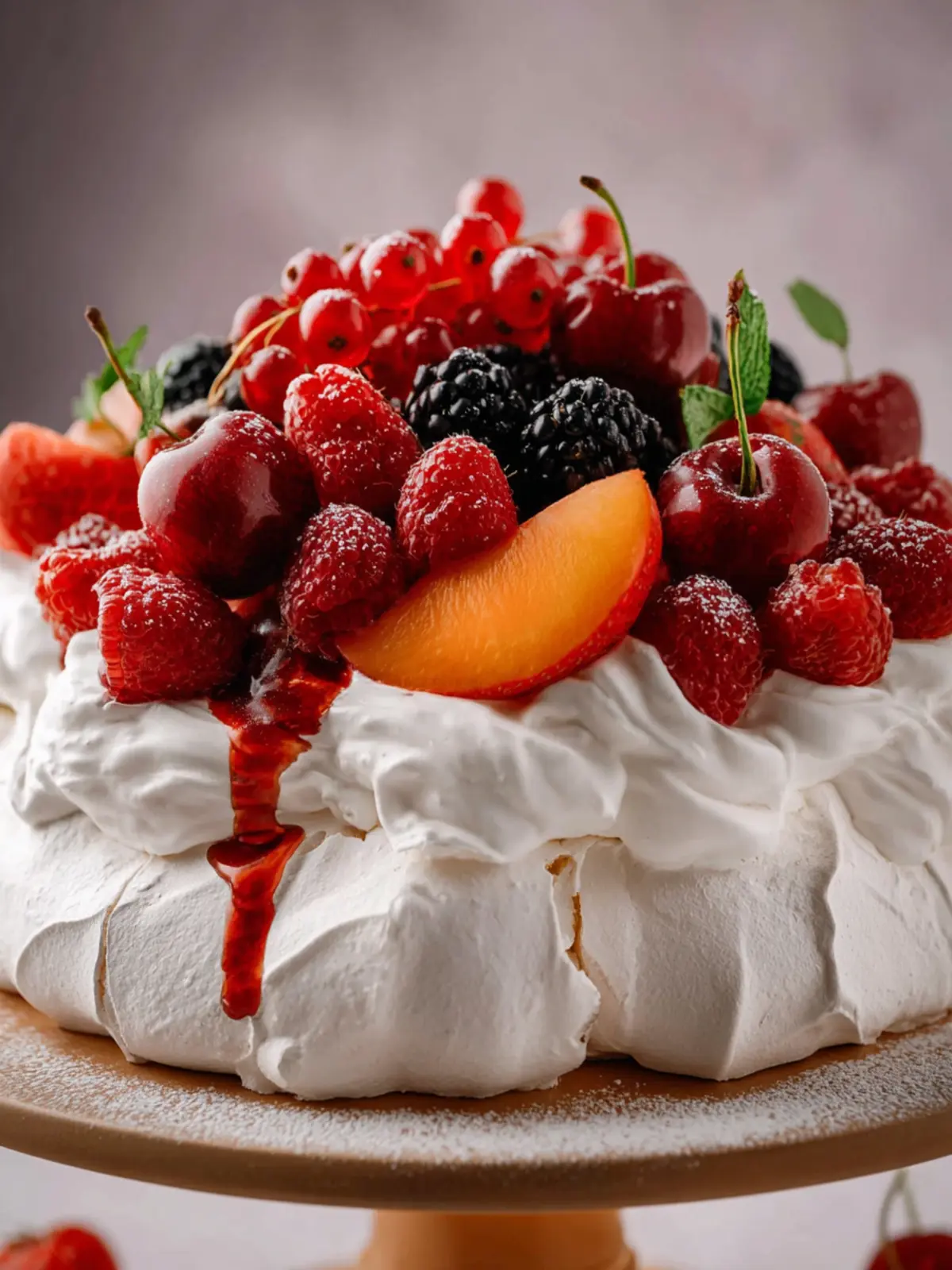
Pavlova is not just a delightful dessert; it’s a balance of sweet and light textures that make it a favorite for many occasions. Let’s delve into the nutritional information of this iconic dish.
Calories
A single serving of pavlova typically contains around 120-150 calories. It’s a sweet indulgence that allows you to satisfy your dessert cravings without going overboard.
Protein
Pavlova is surprisingly low in protein, offering about 1.5 grams per serving. This is primarily from the egg whites, which contribute to its light and airy structure.
Sodium
In terms of sodium content, a serving of pavlova has approximately 10-15 milligrams. This makes it a heart-healthy option, as it’s not overloaded with salt.
Enjoy this exquisite dessert guilt-free, knowing that you can savor its heavenly sweetness without compromising your health goals!
FAQs about Pavlova
Pavlova is a delightful dessert that captures the essence of lightness and sweetness, making it a favorite among those who adore airy sweets. But questions often arise when tackling this elegant meringue-based treat. Let’s clear up some common queries to ensure your pavlova turns out perfect every time.
How do I know when my pavlova is done?
Determining when your pavlova is finished baking is crucial for achieving that marvelous crisp exterior and soft interior. A perfectly baked pavlova should be dry on the outside and slightly soft to the touch, giving it a marshmallow-like texture inside. You’ll want to look for a pale, white finish—any golden color is a sign of overbaking. Once the pavlova has cooled, a quick test is to gently lift it off the baking paper. If it comes off easily with no sticking, it’s ready for toppings!
Can I make pavlova ahead of time?
Absolutely! In fact, making your pavlova a day in advance can be a great time-saver. Once it’s baked and cooled, store it in an airtight container at room temperature. Just remember, it’s best to add any toppings—like whipped cream and fresh fruit—right before serving, as the moisture can soften the meringue.
What types of fruits work best for pavlova?
The beauty of pavlova lies in its versatility, especially when it comes to fruits. Some of the best options include:
- Kiwi: Its tangy flavor perfectly complements the sweetness of the meringue.
- Berries: Strawberries, blueberries, and raspberries add vibrant color and a refreshing taste.
- Passion Fruit: The tartness and crunch of the seeds offer a unique touch.
Feel free to mix and match according to season and preference—your pavlova will shine either way!
Conclusion on Pavlova
Embracing the delightful essence of pavlova, this iconic dessert isn’t just a sweet treat; it’s a culinary adventure. With its crispy exterior and soft, marshmallow-like center, every bite transports you to sunnier shores. Whether you dress it up with juicy seasonal fruits or a dollop of whipped cream, you’re bound to please your guests. Pavlova inspires creativity and encourages you to experiment with flavors and toppings, making it a timeless favorite. As you master this recipe, remember that the secret ingredient is passion—bake with love, and your pavlova is sure to shine at any gathering. Enjoy!
Print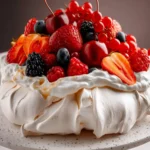
Pavlova with Fresh Fruit
- Total Time: 3 hours 30 minutes
- Yield: 8 servings 1x
- Diet: Vegetarian
Description
A delicious Pavlova topped with fresh fruits, perfect for any occasion!
Ingredients
Scale
- 6 large Egg Whites
- 1 1/2 cups Sugar
- 2 Tablespoons Cornstarch
- pinch Salt
- 1 1/2 cups Heavy Cream
- 1/2 to 3/4 cup Powdered Sugar
- 1 teaspoon Vanilla Bean Paste or Extract
- assorted Strawberries, Peaches, Raspberries, Mango, Nectarines, Blackberries, Cherries, Passionfruit
Instructions
- Preheat oven to 310 degrees. Start by making sure your bowl is clean from any water or grease.
- Separate your egg whites from your egg yolks and ensure there are no egg yolks in the bowl with the whites. This is imperative to perfecting the ideal meringue. Room temperature egg whites work best.
- Whip the egg whites on high speed until soft peaks form, about 4-5 minutes on high speed. Begin to add the sugar a little at a time, whipping the entire time. After all of the sugar has been added, beat for 3 minutes longer, until thick and glossy. The peaks should still be very stiff.
- Add in cornstarch and a pinch of salt and whip just until combined, about 5 seconds.
- Use the bottom of a springform pan or a parchment paper circle and place it on a large baking sheet. Carefully place the meringue into the center and spread to the corners, depending on the desired thickness.
- Carefully place in oven and immediately reduce heat to 250 degrees. Bake for 1 hour 10 minutes. Do NOT open the oven or the pavlova may fall. Be gentle with this dessert.
- Do NOT remove from the oven but just turn off the oven and let pavlova remain in the oven for 2 hours. Once the pavlova is done, gently remove it from the oven.
- Whip the heavy cream and powdered sugar until soft peaks form. Fold in vanilla bean paste.
- Carefully spread the whipped cream mixture over the pavlova. Top with fresh fruit.
- Eat as soon as possible!
Notes
- Room temperature egg whites work best for achieving the right texture.
- Avoid opening the oven while baking to prevent the pavlova from collapsing.
- Prep Time: 20 minutes
- Cook Time: 1 hour 10 minutes
- Category: Dessert
- Method: Baking
- Cuisine: Australian
Nutrition
- Serving Size: 1 slice
- Calories: 240
- Sugar: 30g
- Sodium: 5mg
- Fat: 12g
- Saturated Fat: 7g
- Unsaturated Fat: 5g
- Trans Fat: 0g
- Carbohydrates: 30g
- Fiber: 1g
- Protein: 3g
- Cholesterol: 0mg