Follow Me On Social Media!


Homemade Pizza Dough: The Best Way to Elevate Family Night

Introduction to Homemade Pizza Dough
There’s something incredibly satisfying about rolling up your sleeves and diving into the art of making homemade pizza dough. The kitchen transforms into your workshop, and you’re free to create a masterpiece that’s uniquely yours. The aromatic smell of yeast and flour mingling in the air can instantly transport you to your favorite pizzeria, but this time, the star ingredient is you.
The joy of making pizza at home
Imagine gathering friends around the table, each of you crafting your own personalized pizza, a true culinary collaboration. Making homemade pizza dough opens up a world of possibilities—choose your toppings, the thickness of your crust, and even how cheesy you want it. Not only is it a fun activity, but it also appeals to various dietary needs and preferences. Plus, there’s a genuine sense of accomplishment when you pull a bubbling, golden-brown pizza from the oven, knowing that you’ve made it from scratch.
A personal pizza adventure
My journey into homemade pizza dough started when I was looking for something to spice up my weeknight dinners. I vividly remember the first time I whipped up a batch. Flour was all over my countertop, my hands were a sticky mixture of dough, and I couldn’t help but laugh at the playful chaos in my kitchen. What I initially viewed as a daunting task quickly turned into a delightful adventure. The dough, once proofed and kneaded, transformed into something magical—and that first bite was pure bliss.
As you embark on your own homemade pizza dough journey, remember that each step—measuring, mixing, kneading—offers a chance to bond with the ingredients. You’re not just creating food; you’re telling a story through flavors and textures. Cooking at home nurtures creativity and brings people together, creating memories that last long after the last slice has been devoured. So roll up your sleeves, grab an apron, and let’s get started on this delicious adventure together!

Key Ingredients for Homemade Pizza Dough
Flour: A blend for the perfect base
Creating the ideal homemade pizza dough starts with the right flour. I recommend using a mix of all-purpose and bread flour. The all-purpose flour keeps it easy, while the bread flour adds that chewiness we all crave in pizza crust. If you’re feeling adventurous, you can even experiment with Italian “00” flour for a more authentic touch!
Instant yeast: For that fluffy rise
Instant yeast is a game-changer in my homemade pizza dough. It activates quickly and allows for a light, airy crust. No need for proofing; just mix it directly with the flour and watch your dough rise to pizza perfection.
Sugar: A simple touch that matters
A tablespoon of sugar might seem small, but it plays a vital role. It helps to feed the yeast, leading to an even greater rise and a touch of sweetness in the finished crust that enhances the overall flavor.
Kosher salt: Balancing flavors
Salt is critical in homemade pizza dough. It enhances all the flavors and controls the fermentation process. This balance results in a flavorful crust that offsets any toppings you choose.
Olive oil: Enhancing texture and taste
Adding olive oil to your dough not only gives it a rich flavor but also contributes to a softer, more tender texture. Plus, it creates a beautiful golden crust when baked!
Warm water: The secret to activation
Finally, warm water is essential for activating the yeast. It should feel cozy to the touch—think about a nice bath. Too hot, and you’ll kill the yeast; too cold, and it won’t activate. The right temperature is crucial for that fluffy rise we all love.
Why You’ll Love This Homemade Pizza Dough
When you decide to make homemade pizza dough, you’re inviting creativity and deliciousness into your kitchen. There’s something deeply satisfying about creating your own base from scratch, and it can elevate your pizza nights to a whole new level.
Quick and Easy Preparation
This homemade pizza dough is remarkably easy to whip up. With just a few simple ingredients—flour, water, yeast, and a dash of salt—you can have a delicious dough ready to roll out in under an hour. Even on a busy weeknight, you’ll find that this recipe fits seamlessly into your routine. All it takes is a bit of kneading and some patience while the dough rises, giving you the perfect time to relax with a drink or catch up on a show.
Customizable Toppings to Suit Any Palate
One of the best parts of making your own pizza is the freedom to get creative with toppings. From classic Margherita to gourmet options like fig and prosciutto, you can cater to everyone’s taste preferences. Have a vegan friend? No problem—load it with colorful veggies and a dairy-free cheese alternative. The sky is the limit!
Ideal for Gatherings and Family Nights
Nothing brings people together like pizza. Whether it’s a casual family dinner or a fun get-together with friends, making your own pizza adds an interactive element to the evening. Everyone can craft their own personal pizza masterpiece right before your eyes, ensuring that everyone leaves the table happy—and full!
Healthier Than Fast Food Alternatives
Let’s face it: fast food might be convenient, but it often comes with unwanted additives and unhealthy ingredients. By making your homemade pizza dough, you’re choosing fresh and wholesome components. You control what goes into your pizza, opting for whole-grain flour, fresh vegetables, and quality proteins. Not only does it taste better, but it’s a more nutritious option for you and your loved ones.
In summary, making your own homemade pizza dough not only empowers you to create a delicious meal but also fosters connections with family and friends over shared culinary experiences. So roll up your sleeves, and let’s get baking!

Variations on Homemade Pizza Dough
Creating your own homemade pizza dough opens a world of delicious possibilities. While a classic pizza base is always a hit, experimenting with variations can take your pizza night to a whole new level. Let’s explore some tasty alternatives that will cater to your cravings and dietary preferences!
Whole wheat blend for a nutritious twist
For those who want a healthier option, using whole wheat flour is an excellent choice. The nuttiness of whole wheat flour not only enhances the flavor but also packs additional fiber and nutrients. A simple blend of half all-purpose flour and half whole wheat flour gives you a hearty dough without compromising texture. Plus, you can feel good knowing you’re indulging in something more nutritious.
Herb-infused dough for extra flavor
Why stick with plain when you can elevate your homemade pizza dough with herbs? Adding dried or fresh herbs like oregano, basil, or rosemary directly into the dough creates a fragrant, flavorful base that complements any topping. Imagine the aroma wafting through your kitchen as the dough rises—it’s like a little slice of Italy right at home!
Gluten-free alternatives that don’t compromise on taste
For those following a gluten-free lifestyle, fear not! Many gluten-free flour blends are available that work beautifully in pizza dough. Look for blends that include tapioca and almond flour for a crispy texture. Adding a tablespoon of olive oil helps create that sought-after chewiness without sacrificing flavor, making your pizza night just as festive as ever.
Thin crust vs. thick crust: Choose your style
Are you a thin crust enthusiast or a fan of thick, fluffy crusts? Your choice can dramatically alter the pizza experience. Thin crusts allow for a satisfying crunch, making it perfect for loading up on toppings. Conversely, thick crusts provide a soft, chewy bite that can be delightful when baked to golden perfection. Feel free to adjust the thickness of your dough by altering how much you roll it out—whatever suits your culinary fancy!
Cooking Tips and Notes for Homemade Pizza Dough
Crafting homemade pizza dough is truly a rewarding experience, especially when you take the time to master a few key techniques.
Importance of kneading techniques
Kneading is the heart of dough-making; it develops the gluten that gives your homemade pizza dough its chewy texture. Use the heel of your hands to push the dough away from you and then fold it back over itself. Aim for about 8-10 minutes of kneading until the dough is smooth and elastic. If your dough feels too tacky, don’t hesitate to sprinkle a bit more flour as you knead.
How to check dough readiness
To gauge if your dough is ready for rising, do the “poke test.” Gently press your finger into the dough; if it springs back slowly, you’re good to go! If it springs back quickly, it likely needs more kneading.
The ideal temperature for dough rising
For optimal rising, find a warm spot in your kitchen—around 75°F to 80°F is perfect. You can place the dough in an oven turned off but warmed slightly beforehand, or simply cover it with a damp cloth to retain moisture.
Pre-baking your crust for the best results
Looking for that perfectly crispy crust? Pre-bake your homemade pizza dough for 5-7 minutes before adding toppings. This might feel like an extra step, but trust me, it’s worth it to avoid a soggy pizza!
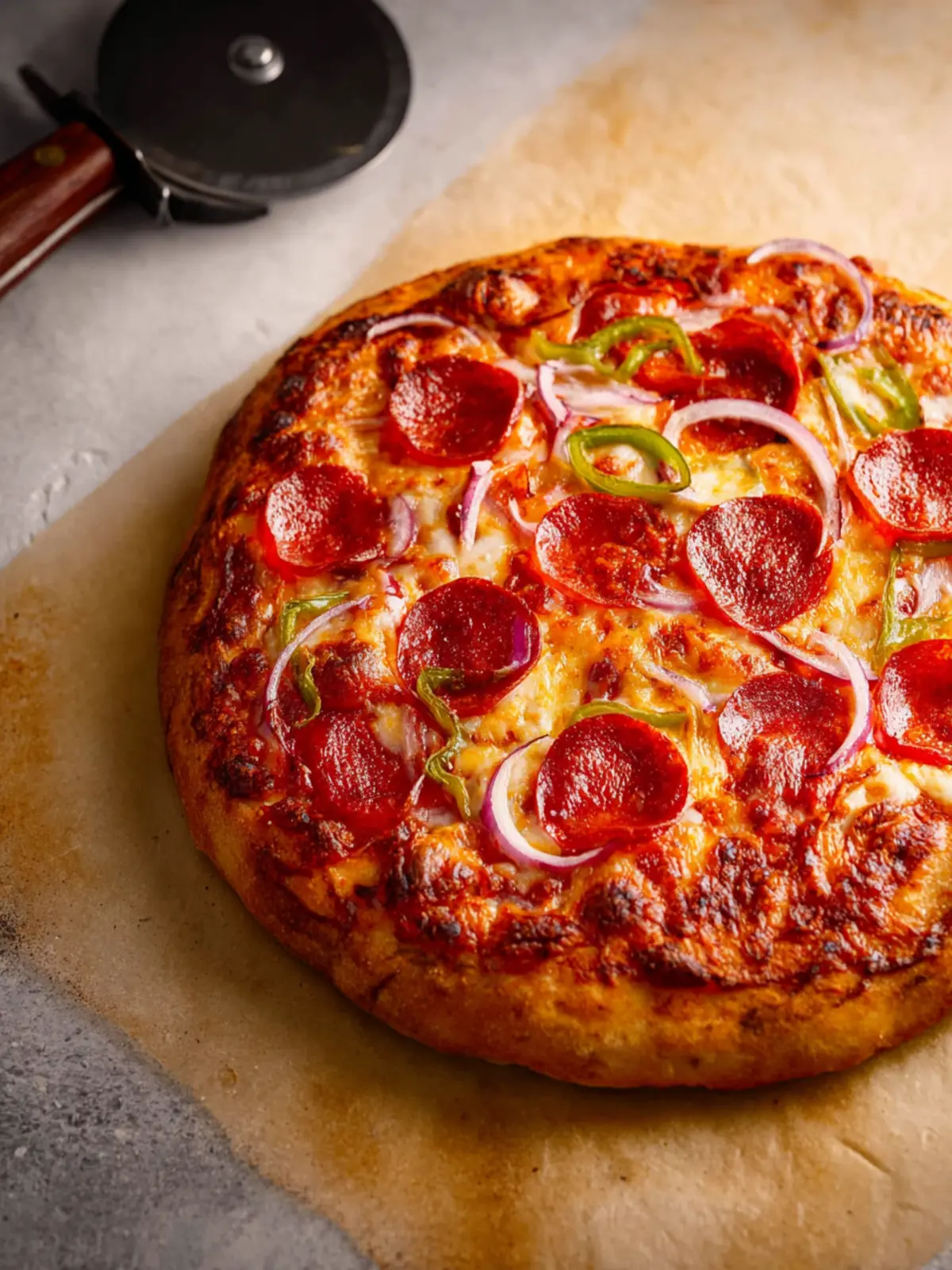
Serving Suggestions for Homemade Pizza Dough
There’s something truly satisfying about crafting your own homemade pizza dough. It’s like painting on a blank canvas—your toppings and sauces are the colors that bring it to life. Once you’ve whipped up a batch of dough, let’s explore the best ways to enhance your pizza experience!
Perfect pairings: sauces and toppings
The base of any great pizza starts with quality sauces and toppings.
- Sauces: Traditional marinara is a classic, but you can also try a creamy alfredo or even a flavorful pesto for a twist.
- Toppings: Think beyond the basics! Fresh mozzarella, roasted vegetables, spicy pepperoni, or even sweet figs can elevate your homemade pizza dough into a gourmet feast.
Sides that complement your pizza
Pair your pizza with delightful sides to round out your meal:
- Salads: A light arugula salad with lemon vinaigrette pairs beautifully with rich, cheesy pizzas.
- Garlic Bread: Who can resist warm, buttery garlic bread alongside a slice (or two) of pizza?
- Dipping Sauces: Consider offering a variety of dipping sauces like marinara, ranch, or hot honey for that extra zing.
Wine and beer suggestions
Choosing the right drink can elevate your pizza night.
- Wines: A crisp white wine, like Pinot Grigio, can complement lighter toppings, while a bold red like Chianti pairs wonderfully with heartier options.
- Beer: An amber ale or a hoppy IPA can balance out savory flavors and cleanse your palate.
With these suggestions, your homemade pizza dough is not just a meal but a culinary adventure ready to be shared with friends and family!
Time Breakdown for Homemade Pizza Dough
Creating your own homemade pizza dough opens the door to delicious, customizable pizza nights. Understanding the time commitment can help ensure your pizza-making experience goes smoothly. Here’s a breakdown of how long each part of the process takes.
Preparation time
Getting the ingredients together and mixing them just right takes about 15 to 20 minutes. It’s the perfect opportunity to sip on some wine while you knead that dough—talk about multitasking!
Rising time
Now comes the exciting part—watching your dough rise. Allow it to rise for about 1 to 2 hours. This is when the yeast activates and works its magic, making the dough soft and airy.
Cooking time
Once your toppings are on, baking the pizza takes around 10 to 15 minutes. For the ultimate crisp, preheat your oven to the highest setting, ideally around 475°F (245°C).
Total time
In total, you’re looking at roughly 1 hour and 45 minutes, including preparation and rising time, just to enjoy that delightful slice of homemade pizza dough perfection.
By knowing this timeline, you can plan ahead, ensuring every pizza night is a hit!
Nutritional Facts for Homemade Pizza Dough
Creating your own homemade pizza dough opens up a world of flavors while also allowing you to control the ingredients. Understanding the nutritional value can enhance your culinary adventure!
Calories per serving
The average serving of homemade pizza dough contains about 200 calories, making it a satisfying base without overwhelming your meal’s calorie count.
Protein content
Each serving typically offers around 7 grams of protein. This addition helps to fuel your body and keep you feeling full longer.
Carb count
With approximately 35 grams of carbohydrates per serving, this homemade pizza dough can be a delightful source of energy for your active lifestyle.
Healthier fats
Using olive oil in the dough not only enriches the flavor but adds healthy fats. A tablespoon provides beneficial monounsaturated fats that contribute to heart health.
By opting for homemade pizza dough, you’re prioritizing not just deliciousness, but also a nutritious approach to your meals!
FAQs about Homemade Pizza Dough
Making your own homemade pizza dough can be a delightful journey into the world of culinary creativity. However, as with any cooking adventure, questions may arise. Here are some common inquiries to help you troubleshoot along the way.
Can I use regular yeast instead of instant?
Absolutely! You can use regular active dry yeast in place of instant yeast for your homemade pizza dough. Just remember to activate it first by mixing it with warm water and a bit of sugar. Let it sit for about 5-10 minutes until it becomes frothy. This process ensures your dough rises beautifully.
How do I store leftover dough?
Storing leftover homemade pizza dough is quite simple. You can wrap it tightly in plastic wrap or place it in an airtight container. Make sure to refrigerate it if you plan to use it within a few days. For longer storage, freezing is a great option—just let it thaw in the fridge overnight before you plan to use it.
What if my dough doesn’t rise?
If your homemade pizza dough isn’t rising, it could be due to several reasons. Check the freshness of your yeast; expired yeast won’t work. Additionally, ensure your environment is warm enough for yeast activity. If it’s too cold, try placing the dough in a slightly warm oven (turned off) to help it rise.
Can I freeze homemade pizza dough?
Yes, freezing your homemade pizza dough is quite feasible! After kneading, shape the dough into a ball, wrap it securely in plastic wrap, and pop it into a freezer bag. It can be kept frozen for up to three months. Thaw it in the refrigerator the night before you want to use it, and it’ll be ready to stretch and bake!
Conclusion on Homemade Pizza Dough
Celebrating the joy of homemade pizza
Creating your own homemade pizza dough is more than just making a base; it’s about crafting an experience. The aroma of freshly baked dough fills your kitchen and brings everyone together. Picture a cozy evening where friends gather to share their favorite toppings, hands dusted with flour and laughter filling the air.
Encouragement to experiment and enjoy
Don’t hesitate to let your creativity shine! Experiment with different flours, hydration levels, and fermentation times to discover your perfect blend. Whether you like a chewy crust or a crisp finish, the journey is yours to explore. So roll up your sleeves, enjoy the process, and remember: the best part of pizza is sharing it with those you love. Happy cooking!
Print
Pizza Dough
- Total Time: 45 minutes
- Yield: 2 pizza crusts 1x
- Diet: Vegetarian
Description
Homemade pizza dough that is perfect for any pizza night.
Ingredients
Scale
- 2–2⅓ cups all-purpose flour (bread flour also works, or use up to ½ cup of whole wheat flour, 240–280 grams)
- 2¼ tsp instant yeast (7 grams, 1 envelope)
- 1½ tsp granulated sugar (or use honey, 6 grams)
- ¾ tsp kosher salt
- 2 tbsp olive oil (or any neutral oil, 25 grams)
- ¾ cup water (170 grams, warm (105-110°F))
- cornmeal (for dusting)
Instructions
- In the bowl of a stand mixer fitted with the dough hook, add the flour, yeast, sugar, and salt. Mix on medium-low speed until combined.
- Add in the olive oil and water. Mix on medium speed until the dough forms a ball around the hook, about 5-6 minutes.
- Brush a large bowl with olive oil. Transfer the dough to the bowl and cover loosely with plastic. Set aside in a warm place and let rise for 30 minutes, or until doubled in size.
- Once risen, punch the dough down and transfer to a floured surface. Use your hands or rolling pin to form the dough into a 12-inch circle.
- Dust a baking sheet or pizza pan with cornmeal and transfer the dough to the pan. Add desired toppings and bake at 425°F until the crust is golden and the cheese is melted, about 15 minutes.
Notes
- For a whole wheat option, substitute half of the all-purpose flour with whole wheat flour.
- Let the dough rise in a warm place to ensure proper fermentation.
- Prep Time: 10 minutes
- Cook Time: 15 minutes
- Category: Main Course
- Method: Baking
- Cuisine: Italian
Nutrition
- Serving Size: 1 slice
- Calories: 200
- Sugar: 1g
- Sodium: 200mg
- Fat: 7g
- Saturated Fat: 1g
- Unsaturated Fat: 6g
- Trans Fat: 0g
- Carbohydrates: 30g
- Fiber: 1g
- Protein: 5g
- Cholesterol: 0mg