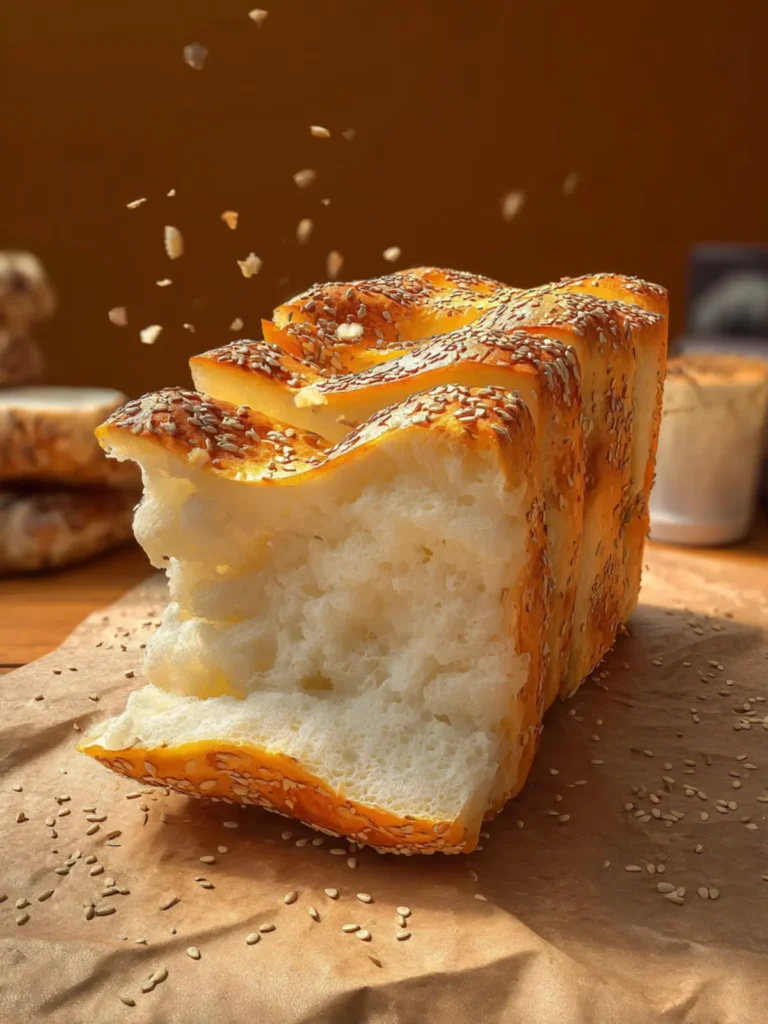
Follow Me On Social Media!

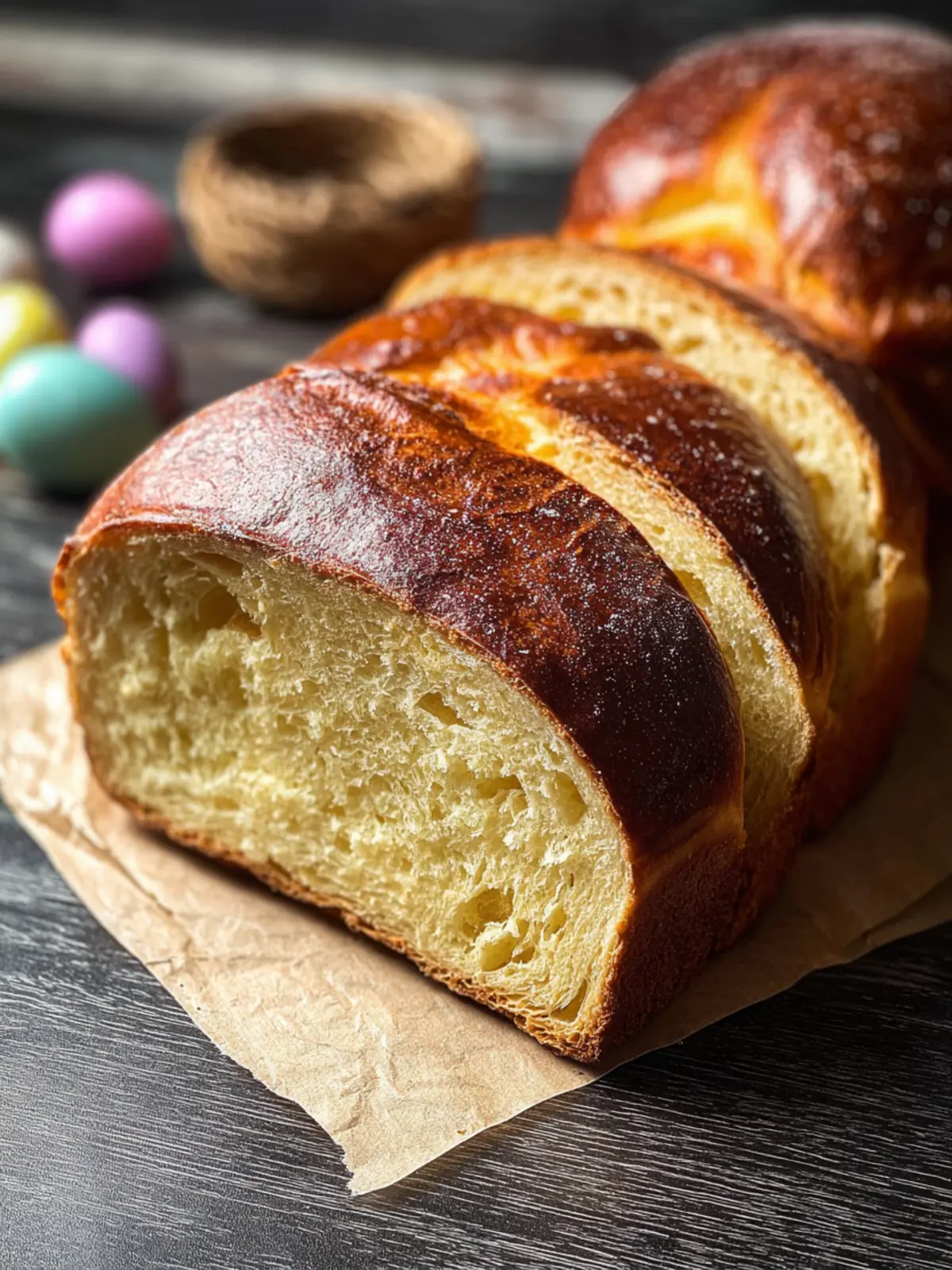
No Knead Easter Bread: Easy, Fluffy Delight for Spring Celebrations

Introduction to No Knead Easter Bread
Discovering the beauty of no knead Easter bread can feel like unearthing a culinary gem tucked away in your grandmother’s recipe book. Imagine the sweet, comforting aroma filling your home as this delightful bread bakes, bringing together friends and family around the table to celebrate the joys of Easter. With minimal effort and no kneading required, this bread allows you to create a special moment without the fuss, making it perfect for even the busiest of schedules.
What makes No Knead Easter Bread so special?
So, what is it that sets no knead Easter bread apart from its more traditional counterparts? The secret lies in its remarkable simplicity, which doesn’t compromise flavor or texture. Here are a few features that make it truly special:
-
Ease of Preparation: The beauty of this bread lies in its “no knead” technique. You simply mix the ingredients and let the dough rise. There’s no strenuous hand-kneading involved, making it accessible for bakers of all levels.
-
Time-Honored Tradition: This bread carries with it a rich cultural heritage, often associated with Easter celebrations. Its origins blend various influences, making each bite not just delicious but steeped in tradition.
-
Versatile Flavors: The base of this bread can easily be tailored to your preferences. Whether you enjoy the warmth of cinnamon or the brightness of citrus zest, customizations are a breeze! Add dried fruits or nuts to create your own signature version.
-
Perfect for Sharing: There’s something inherently festive about sharing bread with loved ones. The inviting shape, often adorned with eggs or decorative slashes, makes it a beautiful centerpiece for any gathering.
-
Long-Lasting Freshness: Thanks to its unique preparation method, this bread stays fresher longer than many store-bought varieties. You can enjoy it throughout the holiday or even use it for delightful French toast the morning after!
Choosing to bake this no knead Easter bread means you’re not just following a recipe; you’re participating in a lovely ritual that celebrates togetherness, tradition, and the joy of homemade treasures. Let’s get started on this delightful journey!
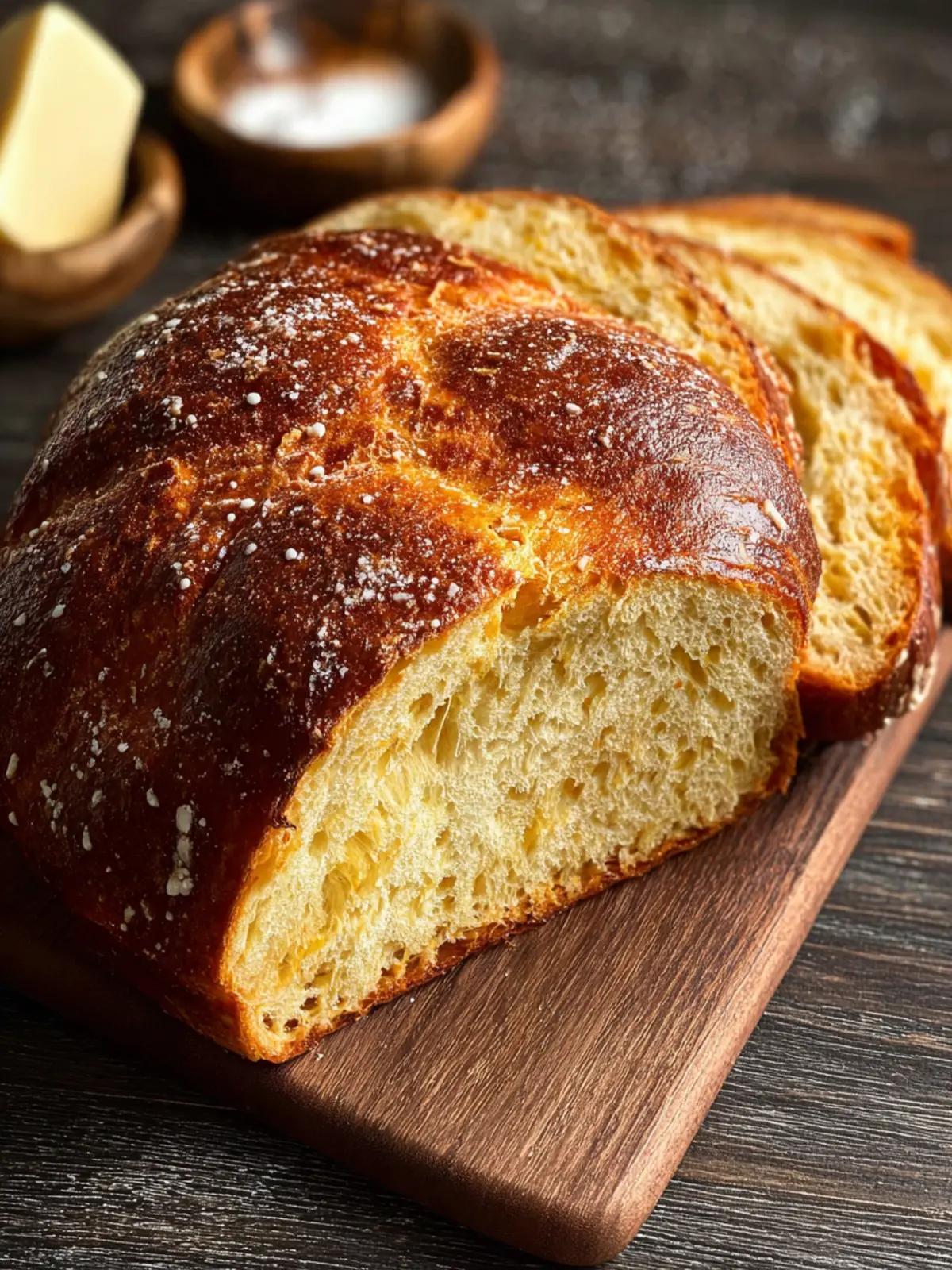
Key Ingredients for No Knead Easter Bread
No knead Easter bread is a delightful treat that brings warmth and joy to your holiday celebrations. The unique texture and flavor are achieved through a carefully curated selection of ingredients that combine to create the perfect loaf.
-
Flour: A strong foundation for your no knead Easter bread, all-purpose flour works wonderfully. If you prefer, you can experiment with bread flour for a chewier texture.
-
Yeast: Instant yeast is my go-to. It’s convenient and easy to work with, ensuring your dough rises beautifully without any hassle.
-
Sugar: For sweetness, I use granulated sugar in the dough and a bit more to sprinkle atop before baking. It caramelizes, giving the crust a lovely golden finish.
-
Salt: This enhances all the flavors in the bread and is essential for yeast performance. Don’t skip it!
-
Milk: Using whole milk adds richness and moisture. You could also use almond milk if you’re looking for a dairy-free option.
-
Eggs: Eggs add moisture and richness, contributing to a tender crumb.
-
Butter: Melted, it enriches the dough, resulting in a soft, flavorful bread.
-
Citrus Zest: Adding lemon or orange zest elevates the flavor, giving your bread that unmistakable fresh, festive kick.
These ingredients meld together to create a no knead Easter bread that’s not only easy to make but also irresistible!
Why You’ll Love This No Knead Easter Bread
The charming process of creating no knead Easter bread immerses you in the joyous spirit of the holiday while allowing you to enjoy a deliciously rich tradition without the fuss. From the moment you mix the ingredients, you’ll appreciate the simplicity behind this delightful bread.
This recipe invites the entire family into the kitchen, turning baking into a memorable bonding experience. Imagine the aroma of freshly baked bread wafting through your home, wrapping you in warmth and nostalgia as you prepare for your Easter celebration. Whether it’s served as a centerpiece or a sweet accompaniment to your holiday feast, this bread dazzles with its golden crust and soft, pillowy interior.
If you’re wondering how to make such a delightful treat with minimal effort, the no knead approach is your answer. With just a handful of ingredients and a bit of patience, you can create a stunning loaf that rivals that of your favorite bakery. The best part? You can mix the dough the night before, allowing it to ferment beautifully, and then simply bake it when you’re ready—no special skills required. Embrace this culinary adventure, and let every slice of no knead Easter bread bring joy to your table.
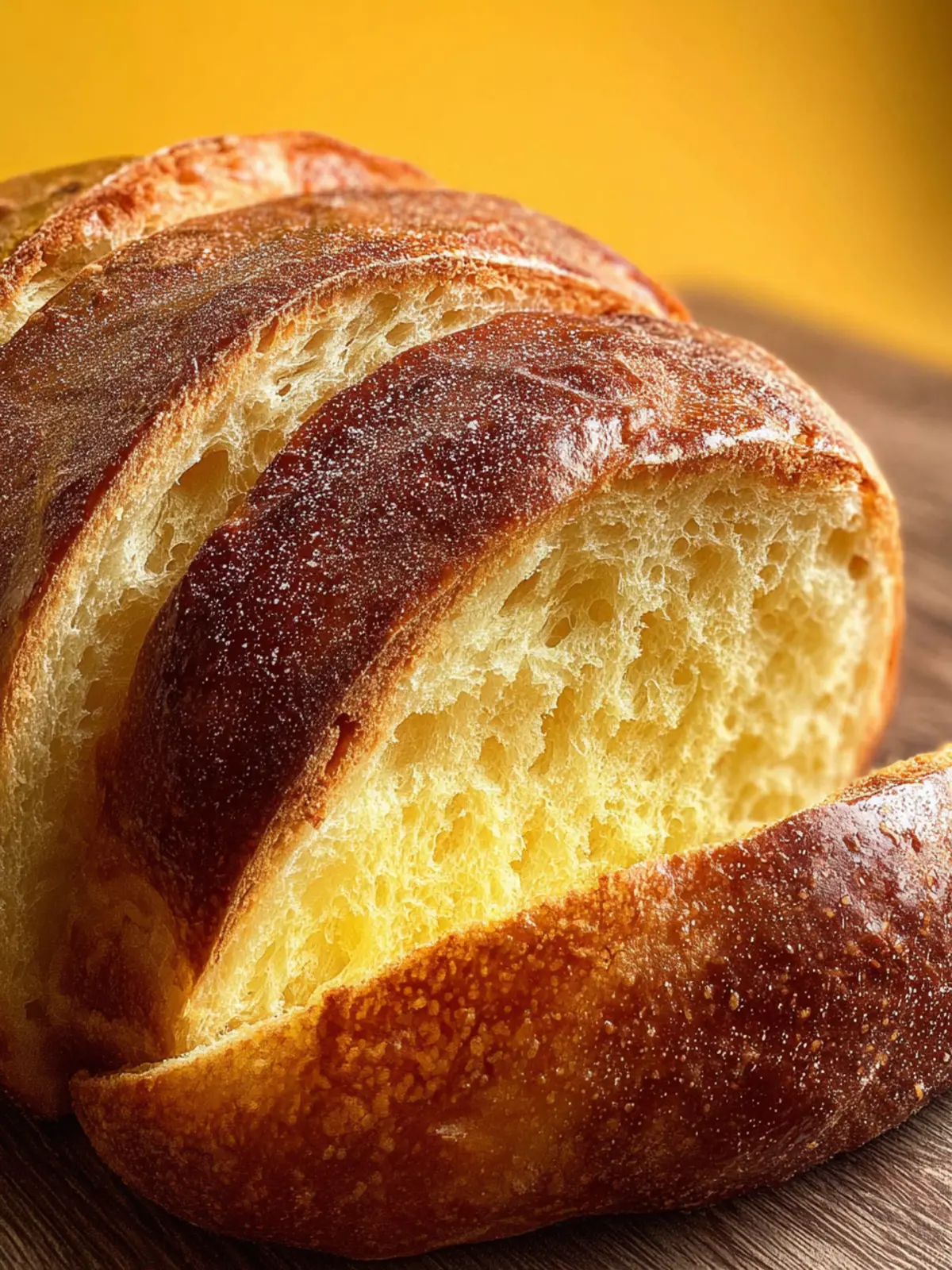
Tips for Making Perfect No Knead Easter Bread
Creating a no knead Easter bread that delights the senses is truly an art form. This tender, sweet loaf draws on tradition while being approachable for busy bakers. Here’s how to achieve the best results:
Mind the Yeast
Using fresh yeast is crucial. Active dry yeast can work, but be sure to activate it in warm water first. If you see bubbles, you’re good to go! Sometimes, I’ve had great results with instant yeast, skipping the activation altogether.
Flour Power
Opt for all-purpose flour for ultimate flexibility and texture. If you’re feeling adventurous, try bread flour for a chewier bite. Just remember, different flours absorb liquid differently, so adjust your water accordingly.
The Sweetness Factor
A touch of sugar is essential—not just for flavor but to nourish the yeast. Granulated sugar works, but for a deeper taste, you might sneak in some brown sugar.
Flavor Infusions
Don’t shy away from flavors! Zest of an orange or lemon adds brightness. You could even mix in raisins or nuts for a personalized touch. Just be cautious of total additions; too many extras can overpower the bread’s delicate structure.
Rest is Best
Patience is key to achieving that ideal texture. Let your no knead Easter bread rest for at least 12 hours. It may be tempting to rush, but this slow fermentation process allows the flavors to develop beautifully.
Tackle these tips with enthusiasm, and you’ll pull off a no knead Easter bread that will be the star of your brunch table!
Time Details for No Knead Easter Bread
Making no knead Easter bread is not only about the ingredients; it’s also about giving time to each step for the best flavor and texture. This bread is an excellent way to bring warmth and tradition to your table, and understanding the timing can make your baking experience even more enjoyable.
Preparation Time
The preparation for no knead Easter bread is relatively simple, taking about 15 minutes. You’ll mix your dry ingredients and wet ingredients to create a loose, shaggy dough.
Rising Time
After mixing, let the dough rise for at least 12 to 18 hours at room temperature. This long, slow rise develops the beautiful flavors and texture that make this bread so special.
Baking Time
Once risen, preheat your oven and bake the bread for about 30 to 35 minutes. You’ll want a golden-brown crust that’s irresistible and adds that festive touch to your Easter celebration.
Taking the time for each stage not only enhances the flavors but also turns your kitchen into a cozy, inviting space filled with the aroma of freshly baked bread. Enjoy the process as much as the result!
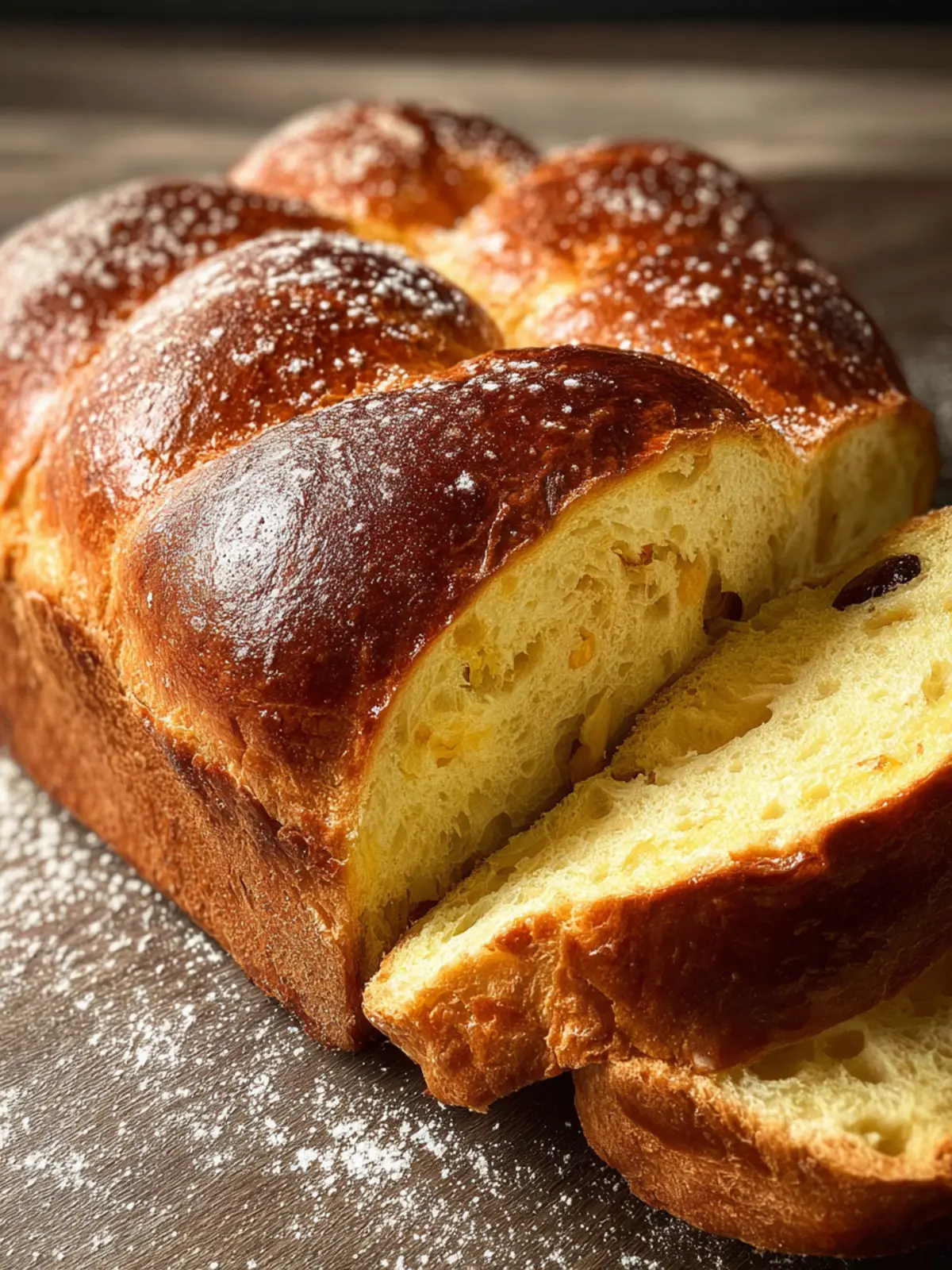
Nutritional Information for No Knead Easter Bread
Creating delectable no knead Easter bread is a celebration of flavors, but understanding its nutritional composition can make your feast even more rewarding. This delightful bread is not just a treat for the eyes; it has some appealing numbers behind it.
Calories
A single slice of no knead Easter bread clocks in at approximately 200 calories, making it a wonderful indulgence without overwhelming your daily intake.
Protein
One slice packs about 5 grams of protein. While it may not replace your post-workout shake, it certainly contributes to your daily protein needs, especially when paired with a side of cheese or yogurt.
Sodium
With about 150 mg of sodium per slice, this no knead Easter bread remains a relatively low-sodium option, perfect for festive gatherings. Just be mindful of what you pair it with, as toppings can easily add to the sodium count.
Enjoy this tasty bread while being mindful of its nutrition, ensuring that your Easter celebration is both delicious and balanced!
FAQs About No Knead Easter Bread
_Baking _no knead Easter bread_ fills your kitchen with a delightful aroma that signals holiday cheer and togetherness. As you gather with friends and family to share slices of this fluffy, sweet bread, questions often arise about its preparation. Let’s clear up some common queries!_
Can I use instant yeast instead of active dry yeast?
Absolutely! When making no knead Easter bread, you can substitute instant yeast for active dry yeast without any issues. The key difference is that instant yeast does not require proofing, so you can mix it directly with your dry ingredients. Just remember that instant yeast generally offers a bit more rise in your bread due to its finer granules.
Why is it called “no knead” if I have to stretch and fold?
Great question! The term “no knead” might imply no handling at all, but it refers to the fact that the dough doesn’t require traditional kneading techniques. Instead, stretching and folding helps develop the gluten structure. This method allows the dough to rise effortlessly and achieve that lovely airy texture, all while saving you time and effort.
How do I know when my bread has risen enough?
Perfecting your no knead Easter bread involves a bit of patience. The dough should noticeably double in size and feel puffy to the touch. A good indicator is the “poke test”: gently poke the surface of the dough, and if the indentation slowly springs back, it’s ready for the next step. If it doesn’t spring back, allow it to rise a bit longer until it does! This ensures a light and fluffy loaf that’s sure to impress at your Easter gathering.
Conclusion on No Knead Easter Bread
Creating your own no knead Easter bread can be a rewarding and joyful experience, especially when you share it with loved ones during the holiday. With its deliciously soft texture and lovely aromatic appeal, this bread captures the essence of Easter celebrations.
Reflect on how simple ingredients, like flour and yeast, transform into a delightful family tradition. Whether you’re crafting this for breakfast or dessert, the flexibility of the recipe allows for personal touches like dried fruits and spices to make it uniquely yours. Enjoy the process, and savor each bite of your homemade bread—it’s a delicious piece of your holiday heritage.
Print
Braided Bread
- Total Time: 8 hours
- Yield: 1 loaf 1x
- Diet: Vegetarian
Description
A delicious braided bread recipe made with simple ingredients.
Ingredients
Scale
- 100 grams milk (warm)
- 5 grams yeast (active dry)
- 1/2 tsp honey
- 2 eggs (room temp)
- 100 grams sugar
- 1/2 orange (zested)
- 25 grams butter (melted)
- 275 grams flour (until a tacky dough)
- 3 grams salt
- 20 grams all-purpose flour (for rolling it out)
- 25 grams softened butter
- to taste sugar (sprinkled on top)
Instructions
- Warm the milk on the stove until lukewarm, and make sure the butter is melted in a separate pot.
- To a mixing bowl, add the yeast, warm milk, and honey. Let it foam up and activate. If it doesn’t activate, you need to start this step all over.
- In another big bowl, whisk the eggs, sugar, and orange zest until it looks pale and foamy. Next, sift in the flour and salt.
- Pour in the activated yeast mixture and mix well until a tacky dough forms.
- Cover the dough with plastic wrap and let it sit for 45 min. Note: the dough should be tacky (not dry and not wet).
- After 45 minutes, with a wet hand, grab the bottom of the dough, gently stretch it up and fold it over. Rotate the bowl 45 degrees and repeat this step until you’ve folded all four sides, making sure to always grab from the bottom folding each piece over the top.
- Cover it again and repeat this process 2 more times (in total, stretch and fold 3 times, waiting 45 minutes in between each).
- Pour the dough out onto a lightly floured counter. Lightly flour the top as well.
- With a rolling pin, roll it out into a thin circle.
- Spread the softened butter over the rolled dough. You can add raisins, chocolate, or any other filling at this point.
- Grab the bottom of the dough and begin to roll it away from you forming a long rope.
- Grab the rope in the middle with your hand and make a two-piece braid by intertwining each side.
- Place the braided dough into a loaf pan, cover it, and let it rise until it fills the pan (this can take anywhere from 5-8 hours).
- When the bread has risen to the top, uncover it, sprinkle with sugar, and bake in a preheated 350°F (180°C) degree oven for 30-40 minutes or until light brown.
- Once baked, take it out of the oven, let it rest, and enjoy!
Notes
- For best results, it’s recommended you grab a food scale and weigh everything out in grams.
- Note: feel free to add raisins, chocolate, or any other filling as well.
- Prep Time: 15 minutes
- Cook Time: 40 minutes
- Category: Breads
- Method: Baking
- Cuisine: International
Nutrition
- Serving Size: 1 slice
- Calories: 250
- Sugar: 5 grams
- Sodium: 200 mg
- Fat: 10 grams
- Saturated Fat: 5 grams
- Unsaturated Fat: 3 grams
- Trans Fat: 0 grams
- Carbohydrates: 35 grams
- Fiber: 1 gram
- Protein: 6 grams
- Cholesterol: 80 mg